Our Approach to Construction
Strength
ICF (Insulated Concrete Form) homes are known for their exceptional structural strength due to their solid reinforced concrete core. Unlike traditional wood-frame construction, ICF walls are composed of poured concrete sandwiched between layers of insulating foam, creating a continuous, monolithic structure. This design allows ICF homes to withstand extreme forces such as high winds, earthquakes, and impacts from debris far better than conventional buildings. Reinforcement using MST Bar, a fiberglass-based rebar, adds to this strength by providing high tensile capacity while being resistant to corrosion and environmental degradation. The absence of joints and weak points further improves overall durability. As a result, ICF homes offer superior safety, longevity, and resilience.
Sustainability
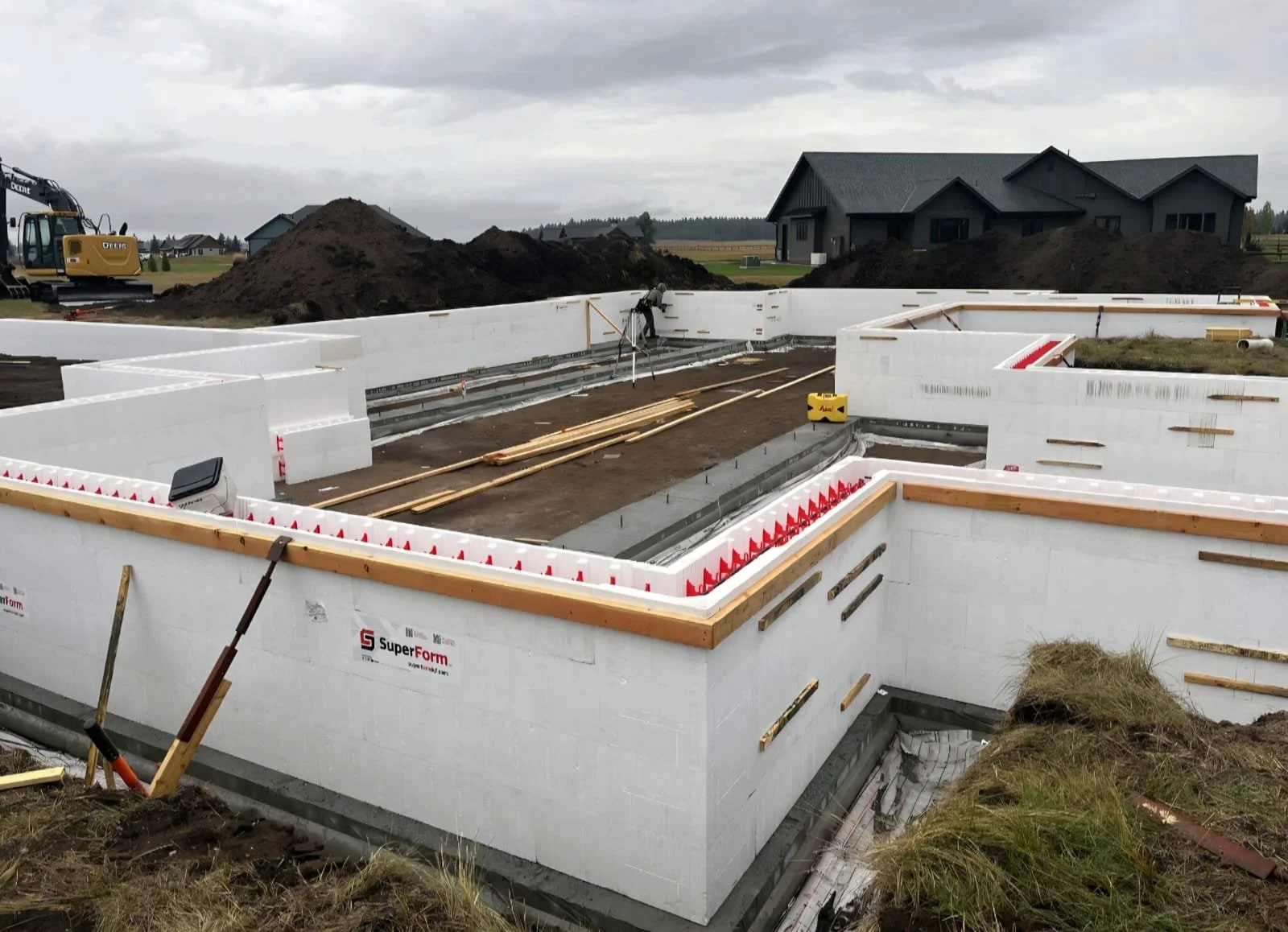
ICF (Insulated Concrete Form) homes offer strong sustainability benefits through their energy efficiency, durability, and reduced environmental impact over time. The continuous insulation provided by the foam layers significantly reduces heat loss and air leakage, leading to lower energy consumption for heating and cooling compared to traditional construction. This improved efficiency not only decreases utility costs but also reduces greenhouse gas emissions associated with energy use. Additionally, the long lifespan and resilience of ICF structures mean fewer repairs, less material waste, and reduced demand for rebuilding. Many ICF systems also incorporate recyclable materials and generate minimal construction waste. Altogether, these factors make ICF homes a more sustainable building option, particularly when considering their full life-cycle performance.
Savings

Image by Michal Jarmoluk from Pixabay
ICF (Insulated Concrete Form) homes provide significant long-term cost savings through their energy efficiency, durability, and reduced maintenance needs. The high level of insulation and airtight construction lowers heating and cooling demands, resulting in noticeably reduced utility bills compared to traditional wood-frame homes. In addition, the strength and resilience of ICF structures minimize repair costs from weather damage and general wear over time. Homeowners may also benefit from lower insurance premiums, as many insurers recognize the added resistance of ICF homes to fire, storms, and other hazards. While the initial construction cost can be higher, these ongoing savings in energy, maintenance, repairs, and insurance make ICF homes a cost-effective investment over their lifespan.